
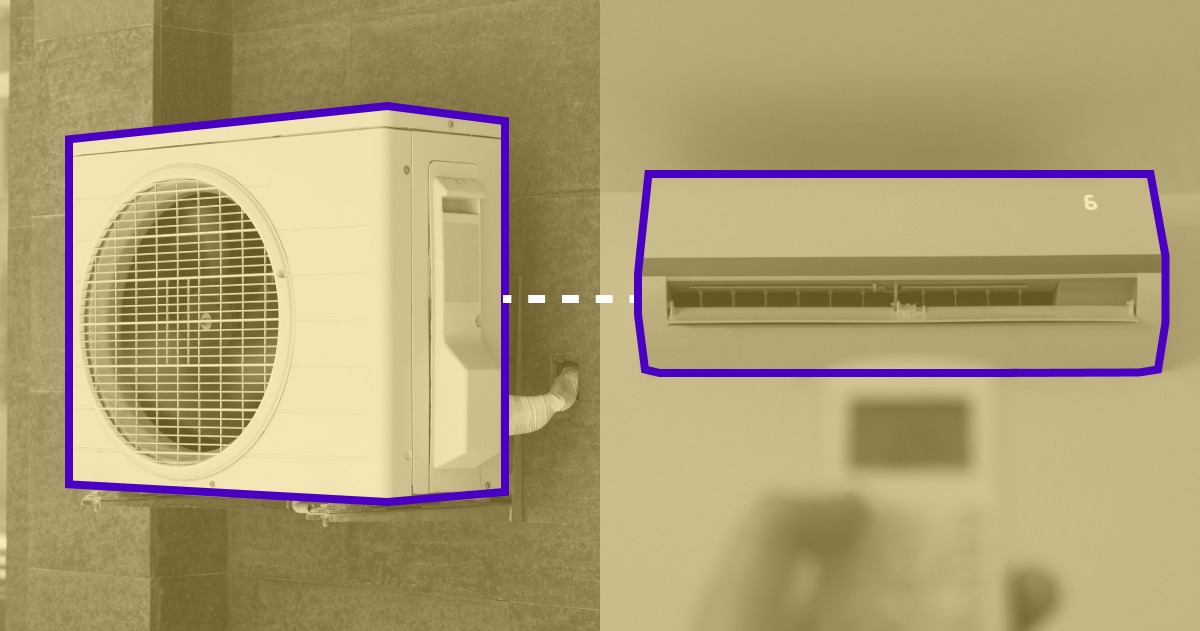
When comparing the noise levels of mini split air conditioning systems to traditional window units, it is important to understand how each system operates and where the sound originates. Mini split AC systems consist of two main components: an indoor air-handling unit and an outdoor compressor. The indoor unit is responsible for blowing cool air into the room, while the outdoor compressor handles heat exchange. This separation allows much of the noisier mechanical work to occur outside, resulting in quieter operation inside living spaces.
In contrast, window units combine all components-compressor, condenser, and evaporator-within a single box installed in a window opening. Because these parts are housed together within or very close to the room being cooled, noise generated by compressors and fans tends to be more noticeable indoors. This design inherently leads to higher operational sound levels compared to mini splits.
Typical sound ratings for mini split ac indoor units range from about 19 decibels (dB) at their lowest setting up to around 40 dB on higher fan speeds. To put this into perspective, 19 dB is roughly equivalent to a whisper or rustling leaves, making it barely perceptible during normal activities like watching television or holding conversations. Conversely, window units generally operate between 50 and 60 dB when running at full power. This level is similar to background office noise or moderate rainfall and can be distracting in quiet environments such as bedrooms or home offices.
The difference in noise output primarily stems from engineering choices made during design. Mini splits use advanced inverter technology that modulates compressor speed according to cooling demand rather than cycling on and off abruptly like many window models do. This results not only in improved energy efficiency but also smoother operation with less abrupt changes in volume that might disturb occupants.
Another factor affecting perceived loudness is vibration transmission through walls or windows where equipment is mounted. Since mini splits have minimal contact points inside rooms besides mounting brackets for indoor units-which themselves contain vibration-dampening materials-the sensation of buzzing or rattling surfaces occurs less frequently than with heavy window-mounted appliances pressed tightly against frames.
For individuals sensitive to noise pollution or those seeking unobtrusive climate control solutions for bedrooms, nurseries, libraries, or study areas especially benefit from choosing mini split systems over conventional window ACs due solely to quieter performance profiles indoors without sacrificing cooling capacity.
In summary, mini split air conditioners offer significantly lower indoor noise levels compared with traditional window units because their louder components reside outdoors while employing quieter technologies inside rooms they serve. This makes them an excellent option for anyone prioritizing peaceful surroundings alongside effective temperature regulation throughout warmer months without enduring persistent machine hums common with older-style installations found directly within windowsills.

